
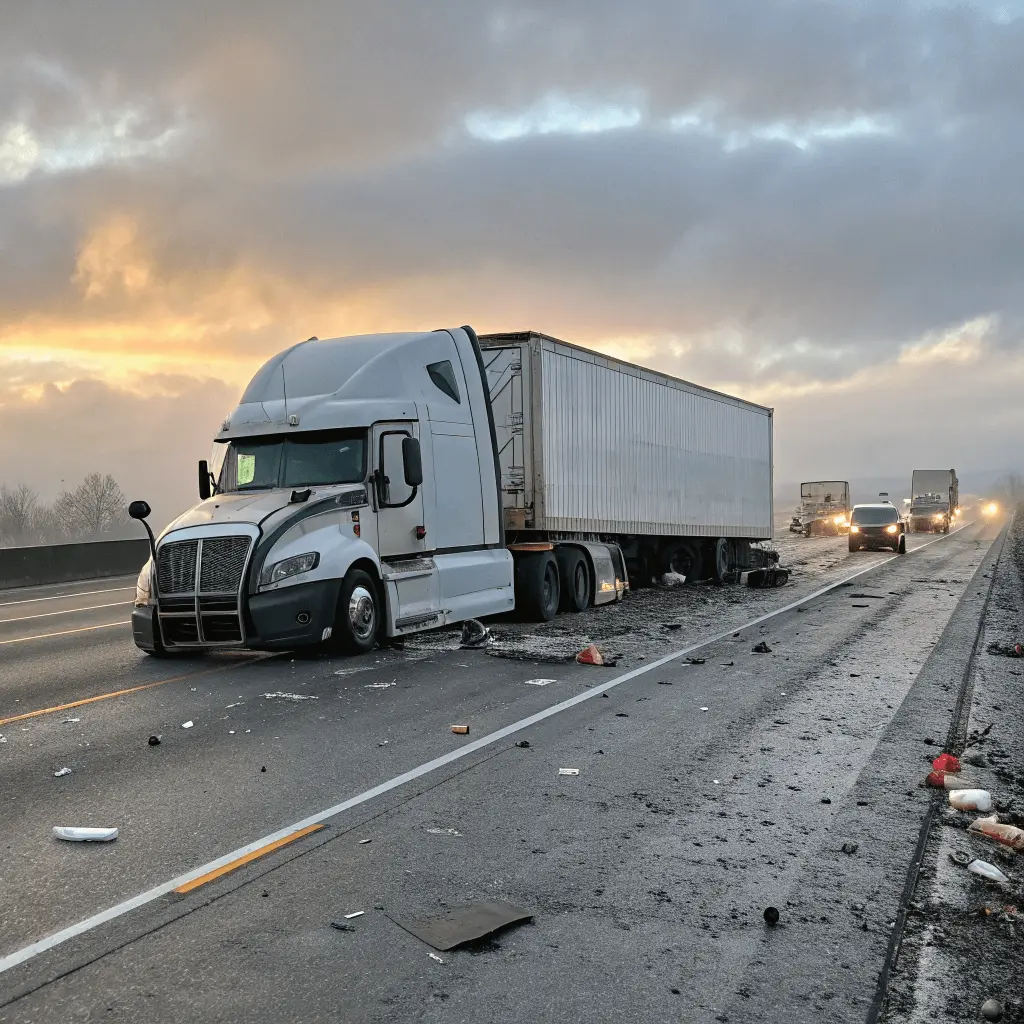
You’ve seen it. That massive 18-wheeler barreling down I-35 at 75 mph, swaying just enough to make your stomach turn.
Now imagine being the one it didn’t miss.
Truck accidents are terrifying—and in Texas, all too common. But what most people don’t realize is this: when it comes to commercial trucking collisions, federal laws often play a starring role in how claims are built, argued, and won.
And that’s exactly where experienced San Antonio truck accident lawyers step in. Because a regular car crash case? That’s one thing. But a truck crash? That’s an entirely different legal beast, governed by layers of federal rules most people (and even some attorneys) overlook.
Here’s what you need to know about those laws—and why they matter if you’ve been injured.
Truck Drivers Aren’t Just “Drivers.” They’re Regulated Operators.
While most drivers deal with basic state traffic laws, commercial truck drivers operate under strict federal regulations enforced by the Federal Motor Carrier Safety Administration (FMCSA).
These rules are designed to prevent exactly the kind of high-impact accidents you see on Texas highways.
Some of the most important FMCSA rules include:
- Hours of service (HOS) limits: to prevent driver fatigue
- Mandatory rest breaks and off-duty hours
- Routine drug and alcohol testing
- Detailed vehicle maintenance and inspection schedules
- Weight and load distribution requirements
Break one of these rules? That’s not just a traffic violation—it’s evidence of negligence in a personal injury case.
Hours of Service: The Rule Everyone Breaks
Let’s talk fatigue.
Truck drivers are limited to:
- 11 hours of driving after 10 consecutive off-duty hours
- No more than 14 hours total on duty per day
- A 30-minute break after 8 hours of driving
- A maximum of 60-70 hours over 7-8 days (depending on company policy)
These aren’t suggestions—they’re federally mandated.
But in the real world? Deadlines, delivery pressure, and profit margins push drivers to cut corners. That’s why logbooks, electronic logging devices, and GPS data become gold in a truck accident investigation.
San Antonio truck accident lawyers know how to obtain this data—and how to use it to show the driver was dangerously overworked at the time of the crash.
Maintenance Records Matter More Than You’d Think
Trucking companies are required to maintain their fleet to federal standards. That means:
- Regular brake inspections
- Tire checks
- Light and signal function testing
- Keeping repair logs and inspection documents
A missed maintenance check or a skipped repair? That’s more than a mistake—it could be the key to proving company negligence.
If faulty brakes or a blown tire caused your accident, those maintenance records become crucial evidence. And if the company didn’t document or perform regular checks? That’s on them.
Why Paper Trails (and E-Logs) Are Everything
In truck accident cases, lawyers don’t just rely on crash reports. They dig into:
- Driver qualification files
- Dispatch records
- Load manifests
- Inspection certificates
- Black box data (yes, trucks have them)
This paperwork—or digital trail—can reveal whether the trucking company knowingly pushed a driver past legal limits, skipped inspections, or ignored safety flags.
And without someone experienced to subpoena and interpret this evidence? That trail could disappear.
Why You Need Someone Who Knows These Laws Cold
Federal trucking regulations don’t just exist to keep roads safe—they shape the legal strategies used after a crash.
A lawyer who doesn’t understand these laws might settle too early, miss a key violation, or fail to pursue vicarious liability (when the company is responsible for its driver’s negligence).
But San Antonio truck accident lawyers who specialize in these cases know how to use federal violations to build stronger claims—often leading to higher compensation, faster settlements, or successful trial outcomes.
Final Thought: It’s Not Just a Crash—It’s a Federally Regulated Event
A truck wreck isn’t just “bad luck” on the highway. It’s a potential breach of federal safety rules. And if that breach caused your injuries, you deserve justice that goes beyond surface-level.
From fatigue violations to inspection failures, federal trucking laws offer the tools to hold companies accountable—if you have the right team fighting for you.