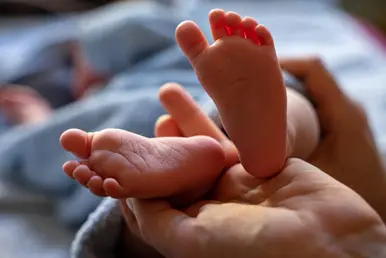
Injuries sustained in early life, especially during birth or soon after birth, may silently affect the development of the child. In most instances, the injury does not get diagnosed until learning difficulties start to emerge. What might be viewed as a problem at school or slow learning may have underlying causes. Learning about the impact of early injuries on learning and development is crucial to developing a valuable support system that supports long-term growth and independence.
Understanding Early Life Injuries
Early childhood injuries could be physical trauma, lack of oxygen, or neuralgia at the time of delivery. The brain is very delicate at this age and a slight interruption can change the way neural pathways are developed. Some effects are subtle, others emerge gradually. A child might appear to grow normally during the primary years only to face a setback when formal education is introduced. One of the reasons why such injuries are often misunderstood or ignored is this delayed presentation.
How Early Injuries Affect Learning Abilities
Learning depends on a mixture of memory, attention and speed of processing. Children with early injuries to these areas might have problems to internalize information in the traditional classroom settings. They may require more time and instructions can feel overwhelming. Language development may lag behind peers and it becomes hard to communicate and understand. These difficulties do not have anything to do with motivation or intelligence. Instead, they are an expression of brain adaptation to initial disturbance. Learning is still possible and effective with the proper educational strategies.
Influence on Skill Development and Daily Functioning
In addition to academics, early injuries may impact on the development of practical skills. Fine motor skills, sequence of tasks, and problem-solving can be in need of more assistance. Routines that other people consider normal may seem complicated. These challenges can take a toll on confidence. As people enter adult life, skill gaps may also impact the readiness to work. It should be noted that these are neurological rather than personal limitations.
The Role of Early Support and Intervention
Early detection is very important in enhancing the outcome. Children can develop alternative ways of learning and developing skills with:
- Therapies
- Educational accommodations
- Structured environments
Cooperation between families, teachers, and experts ensures progress. Families might also use the services of advocacy organizations like the Birth Injury Justice Center. Not only are they concerned with awareness and responsibility but attach importance to the necessity of informed decision-making as well.
Creating Opportunities For Strength-Based Growth
A sole focus on limitations overlooks potential. Most victims of early childhood trauma acquire high adaptive functioning, imagination, and aptitude. Strength-based models of inclusive education enable people to prosper according to their capabilities. This strategy represents a wider sense of social good, in which success is expressed through opportunity and belonging, not through conformity. The development of skills must be adaptable, encouraging, and personalized.
Navigating Systems With Understanding
As people mature, families tend to experience complicated regimes concerning education, health, and employment. To some, this may involve working through the legal system with autism to champion for proper accommodations and protection. These processes are less intimidating when patients get clear information and guidance. A thoughtfully designed system can become supportive rather than restrictive.
Endnote
Early childhood injuries might influence learning and skill acquisition in lasting ways, but they do not determine potential. Through education, early intervention, and empowerment, people can live complete as well as self-sufficient lives. Being aware of these impacts enables communities to retire assumptions and make significant progress in empowerment based on patience, flexibility, and opportunity.