
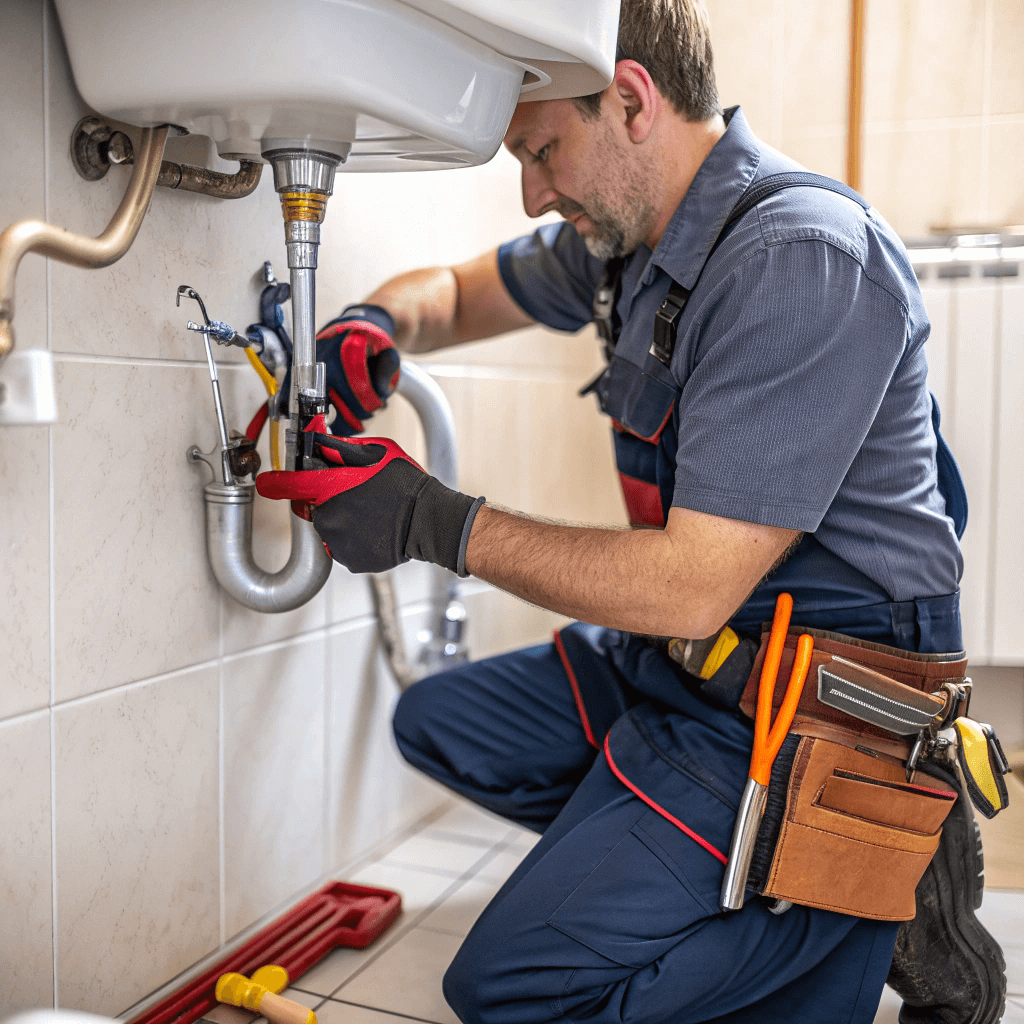
When a plumbing issue arises, hiring a skilled and reliable plumber can be the difference between a resolved problem and an escalated disaster. Statistically, water damage claims are among the most common submitted by homeowners, underlining the crucial role that competent plumbing work plays in home maintenance.
Ensuring you ask the right questions when selecting a plumber can save time, money, and future headaches. Below, we dive into the key areas of inquiry that will help you make an informed decision.
Assessing Plumber Credentials and Experience

The first step in hiring a plumber is to verify their credentials and years of experience in the field. Plumbers should be licensed and insured, which not only guarantees a standard of workmanship but also protects you from liability in the case of accidents or injuries on your property.
Inquiring about their areas of expertise can help determine if they are a good fit for your specific needs. For example, someone might be an expert in installing water heaters but less knowledgeable in repairing complex pipe systems. Additionally, reputable plumbers often continue education and training to stay updated on the latest codes and technology.
Asking for references or reading online reviews can give you a clearer picture of their work history and quality. Don’t hesitate to reach out to these references to ask about the plumber’s reliability, communication, and overall satisfaction with the work done plumber.
Understanding the Scope of Your Plumbing Project
Before committing to a plumbing service, clarify the scope of your project. This ensures that both you and the plumber are on the same page regarding the work to be done, avoiding misunderstandings down the line.
It’s beneficial to inquire whether a preliminary inspection is necessary for a more accurate diagnosis and estimate. Some plumber visits start with an assessment that uncovers potential additional issues or confirms the initial problem. This helps prevent surprise charges for unforeseen work.
A reliable plumber will provide you with a detailed outline of the project, including the steps they plan to take and the expected timeline for completion. It’s wise to ask if the scope includes clean-up and restoration post-repair and if additional contractors might be involved in larger projects.
Inquiring About Plumbing Service Guarantees and Warranties
Another key area to discuss with your plumber is the availability of service guarantees or warranties. These can provide peace of mind and protection against poor craftsmanship or defective materials.
Understand the terms and length of any guarantee or warranty provided by the plumber. Usually, work is warranted for a certain period, and if issues arise during that time, the plumber should address them without additional charge. It’s crucial to get these guarantees in writing to avoid disputes later on.
When discussing guarantees, also ask about the manufacturer warranties on any fixtures or components being installed. Having this information can save you the hassle in case replacements are needed. It’s beneficial to keep all warranty and guarantee documents organized for future reference plumbing hardware warranty.
Discussing Cost Estimates and Payment Terms Before Work Begins

Understanding the financial aspect of plumbing work is critical. Asking for a detailed estimate upfront can help prevent billing surprises once the job is completed.
Make sure the estimate includes the cost of labor, parts, and any potential additional fees, such as emergency service premiums or after-hours charges. A clear estimate will help you budget accordingly and compare quotes if you’re consulting multiple plumbers cost of plumbing services.
Finally, inquire about the plumber’s payment terms. Some may require a deposit upfront, while others bill after the work is completed. Knowing when and how payment is expected can help you plan and protect against any fraudulent billing practices.
Ultimately, the right plumber will not only solve your current plumbing issues but also help in maintaining your home’s overall plumbing health for the future. By asking the right questions regarding credentials, the scope of work, guarantees, and cost, you can establish a clear understanding of what to expect and ensure a successful and professional plumbing service.