
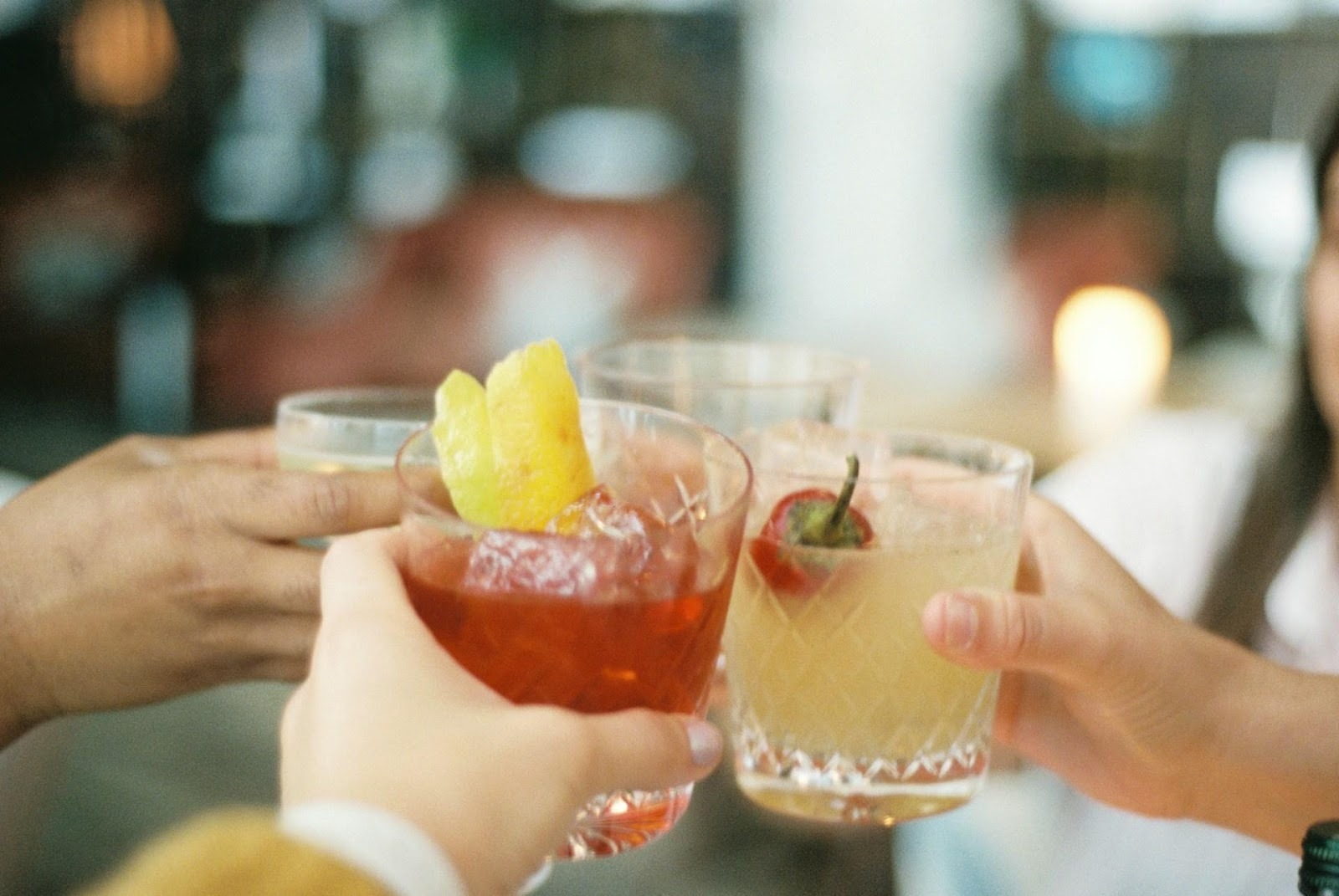
For generations, alcohol has been the default centerpiece of adult social life. Celebrations, networking events, dinners with friends, and quiet evenings at home have often revolved around a shared drink. But social habits are not static. They evolve alongside cultural values, health awareness, and lifestyle priorities. In recent years, a noticeable shift has begun to reshape how many adults think about socializing, relaxation, and what they choose to consume.
This shift is not about eliminating alcohol altogether. Instead, it reflects a broader expansion of options. Today’s consumers are more curious, more informed, and often more intentional. They are asking how their choices affect their sleep, mood, productivity, and overall well-being. As a result, cannabis-infused beverages and edibles have started to enter conversations that once centered almost exclusively on wine, beer, and cocktails.
A New Kind of Social Awareness
Part of this change is generational. Younger adults, in particular, tend to view wellness as a daily practice rather than an occasional fix. They are used to reading labels, researching ingredients, and comparing experiences before trying something new. This mindset naturally extends to social consumption.
Where previous generations might have asked, “What are we drinking tonight?”, many people now also ask, “How do I want to feel tomorrow?” That question influences decisions. A heavy night of drinking can interfere with sleep and energy levels, which matters to professionals balancing demanding schedules. As a result, moderation has become more socially acceptable, and alternatives have gained space.
Importantly, this doesn’t mean socializing has become less fun or less spontaneous. If anything, it has become more flexible. People feel freer to choose what works for them without needing to follow a single script.
The Rise of Cannabis-Infused Beverages
One of the most visible developments is the growth of cannabis-infused drinks, especially THC seltzers. These beverages often mirror the format of alcoholic drinks, canned, flavored, and portioned, but offer a different kind of experience. For some adults, they provide a lighter or more controlled alternative in social settings.
Because these drinks are clearly labeled and pre-dosed, many consumers feel they can approach them more predictably than homemade edibles or unfamiliar products. The format also fits seamlessly into social rituals. Holding a sparkling drink at a gathering feels familiar, even if the contents differ.
Brands like Vena have emerged in this space with THC-infused seltzers designed for adult consumers who value clarity and consistency. Those curious about how these beverages are presented, flavored, and dosed often explore collections like Vena’s THC seltzers to understand what’s available before trying anything themselves. This research-first approach shows how much consumer behavior has matured.
Edibles and the Normalization of Choice
Alongside beverages, cannabis-derived edibles have also become more mainstream in regions where they are legal. What once felt niche is now discussed openly among adults who see these products as one option among many for relaxation.
The normalization comes partly from presentation. Modern edibles are often packaged and marketed with the same polish as specialty foods or wellness products. They emphasize flavor, measured servings, and transparency. This makes them feel less mysterious and more approachable to first-time users.
Companies such as Delta Munchies operate in this evolving landscape, offering hemp-derived edibles for adults who want clearly labeled options. People exploring this category commonly begin by reading about product types, strengths, and usage guidelines on sites. The emphasis is less on novelty and more on informed choice.
Changing Social Norms
Photo by Emma Vendetta on Unsplash
Perhaps the most interesting aspect of this shift is how it affects group dynamics. It is increasingly common for a social gathering to include a mix of preferences. One person may have a cocktail, another a THC seltzer, and another a non-alcoholic drink. This variety rarely raises eyebrows now. The focus tends to be on conversation and connection rather than what each person is consuming.
This flexibility can make social spaces more inclusive. People who are cutting back on alcohol, exploring alternatives, or simply not in the mood to drink do not feel sidelined. They can still participate in the ritual of sharing a beverage without compromising their preferences.
Responsibility and Realism
Of course, with any shift comes the need for responsibility. Cannabis-derived products are not interchangeable with alcohol, and their effects vary from person to person. Responsible use, attention to dosing, and awareness of local laws are essential. Most informed consumers recognize this and approach new products gradually.
The broader cultural movement actually encourages this caution. Today’s wellness-oriented consumer is less likely to overindulge impulsively and more likely to experiment thoughtfully. Reading, comparing, and starting low have become common practices.
A Broader Lifestyle Trend
Seen in a larger context, the move toward cannabis-infused options is part of a wider lifestyle trend. People are diversifying how they relax. Some evenings might include a cocktail, others a cannabis beverage, and others a simple tea and an early night. The key difference from the past is the presence of real choice.
Wellness culture has influenced this shift, but so has practicality. Adults managing careers, families, and personal goals often want social experiences that do not derail the next day. Alternatives that feel lighter or more controlled naturally attract interest.
From cocktails to cannabis-infused options, social habits are clearly evolving. Alcohol remains part of many people’s lives, but it is no longer the only default. THC beverages and edibles have entered the conversation as alternatives for those who are curious, moderate, and intentional.
What defines this moment is not any single product, but a mindset. Adults are choosing based on how they want to feel, not just what is customary. They are mixing tradition with experimentation and enjoyment with awareness.
Socializing, at its core, is about connection. As long as that remains the focus, the contents of the glass, or can, are simply part of a much larger picture.