
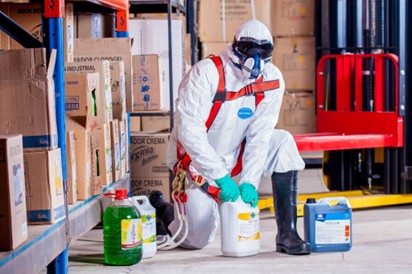
Exposure to toxic chemicals in the workplace is a daily reality across industries ranging from manufacturing and construction to healthcare and agriculture. The consequences can be immediate, like burns or respiratory distress, or insidious, developing into chronic illnesses years after the initial exposure. A clear, disciplined response in the moments and days following exposure can significantly reduce harm and strengthen any future legal claim. Let’s see what you can do after an exposure.
Recognize the Signs of Chemical Exposure
The first step is identifying that exposure has occurred. Symptoms vary by substance, concentration, and duration of contact, but early indicators often include dizziness, headaches, skin irritation, breathing difficulty, or unusual fatigue.
Inhalation of airborne toxins may produce coughing, chest tightness, or a burning sensation in the throat. Additionally, maintaining awareness of workplace hazards and understanding the materials being handled is essential for early detection and intervention.
Take Immediate Safety Measures
Once exposure is suspected, swift action is critical. Remove yourself from the contaminated environments without delay. If the exposure involves skin contact, wash the affected area thoroughly using clean water and appropriate cleansing agents.
In cases of inhalation, seek fresh air immediately and avoid further contact with the hazardous substance. If protective equipment fails or is unavailable, document the lapse. Immediate containment and personal decontamination can significantly reduce the severity of health consequences.
Seek Prompt Medical Evaluation
Even if symptoms appear minor, professional medical evaluation is non-negotiable. Toxic exposure can have delayed effects, and early documentation by a qualified healthcare provider creates an essential medical record.
Inform the physician of the specific chemical involved, the duration of exposure, and the protective measures in place at the time. Medical professionals may conduct tests to assess respiratory function, blood toxicity levels, or organ damage. This documentation guides treatment and also establishes a timeline linking workplace conditions to health outcomes.
Document the Incident Thoroughly
Accurate and detailed documentation forms the backbone for any subsequent claim. Record the date, time, and location of the exposure, along with the names of any witnesses. Take photographs of the worksite, the chemical containers, and any visible injuries if possible. A well-documented incident reduces ambiguity and strengthens your position in both administrative and legal proceedings.
Understand Your Legal Rights and Options
Workers exposed to hazardous chemicals are protected under occupational safety laws that require employers to maintain a safe working environment. When these standards are breached, affected employees may be entitled to compensation for medical expenses, lost wages, and long-term care needs.
Legal pathways vary by jurisdiction and nature of exposure. Workers’ compensation claims may cover immediate costs. In cases involving negligence or regulatory violations, additional legal action may be warranted.
For individuals facing severe respiratory conditions or suspected carcinogenic exposure, consulting a lung cancer lawyer can be a prudent step to help with claims to secure compensation for medical bills and other expenses. This consideration is important especially when long-term health risks emerge from prolonged or repeated exposure.
Endnote
Exposure to toxic chemicals at work demands a response that is both immediate and methodical. Recognizing symptoms, taking swift protective action, and securing medical evaluation are the foundation of an effective response. Equally important is the careful documentation of the incident and a clear understanding of legal rights.